

Kenta Ishagawa

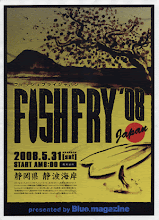
A film by a passionate young Japanese surfer. So nice to have spent some time with him and share my boards and ideas with him on his journey.
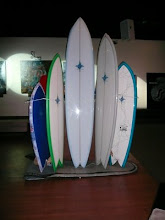
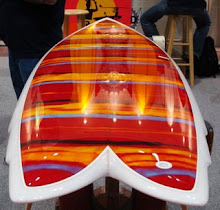
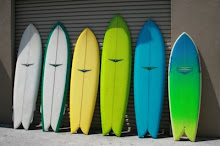
White thrusters to Fish
 |
| DHD Surfboards |
 | |
| Chilli Surfboards |


A very interesting show

The process of surfcraft design is not one limited to the big machines of the surf industry, or solely belonging to the heralded masters of the craft, it is a living folk art on an equally democratic level. It is a continually evolving conversation between local craftsman and the sea... and the creations that relationship spawns.
It Doesn't Not Work is a surf craft exposition that explores the process of the art & craft of surf-riding design, the event aims to discuss these experimental shapes, work-in-progress projects and tried-and-true formulas. It is a time of conversation and camaraderie, good times and good razzing. Largely local to the Northeastern East Coast Coastal Neighborhood, IDNW is truly open to all geographic comers provided they can pay their own way.

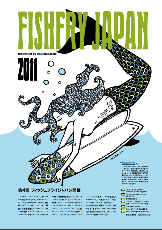
Brazilian Fish Fry


Looks like they had a great turnout and a great selection of boards.


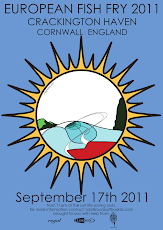
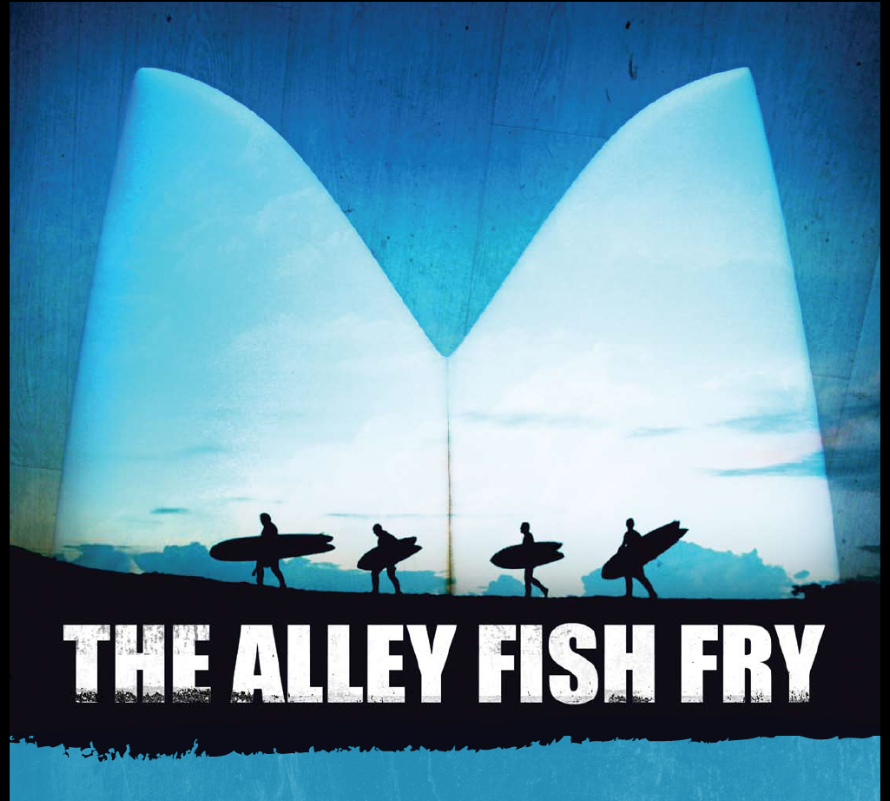
A big thank you to David Webber for keeping the Fish Fry alive and well in all parts of the world.
Legendary New Zealand shaper Bob Davies past away this week.


He was here only three years but helped grow the sport and left a legacy that evolved to make Gisborne (arguably) New Zealand’s surfing capital.
When news broke of his sudden death this week at his home in Whangamata, the Gisborne surfing community was quick to offer condolences and recount tales of his time here.
Several preliminary interviews for an obituary made it clear Davie had a profound influence on the Gisborne surfing scene (the obituary will run in the Herald at a later date).
He was a prolific surfboard shaper. It is estimated that at one point 90 percent of the boards ridden in Gisborne and Hawke’s Bay were from his Bob Davie Surfboards brand."
 |
| Bob Davies and Allan Byrne |
He helped set up the Gisborne Surfriders’ Club (now Gisborne Boardriders’ Club), which has gone on to become a cornerstone of surfing in the region.
It is safe to say Gisborne surfing would not be what it is today without the influence of Davie. "
Like most young Kiwis one of my first boards was a Bob Davies. They were some of the best looking boards in their day. Proud to have met him a couple of years ago when he was on the Gold Coast.
Thanks to the Gisbourne Herald for the words


The innovator, craftsman that is Roger Hall
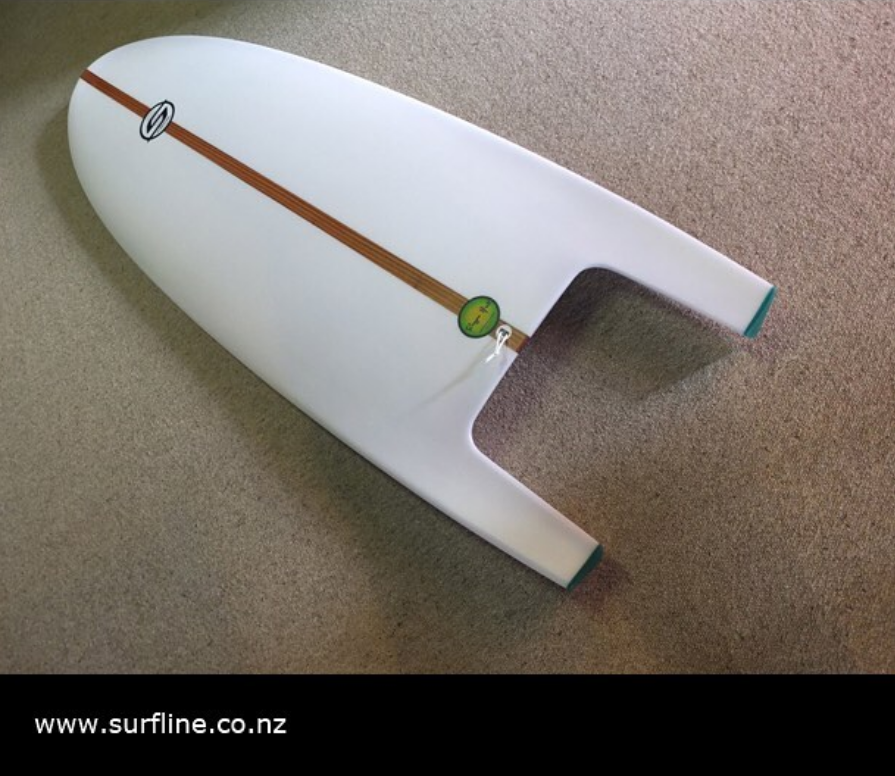
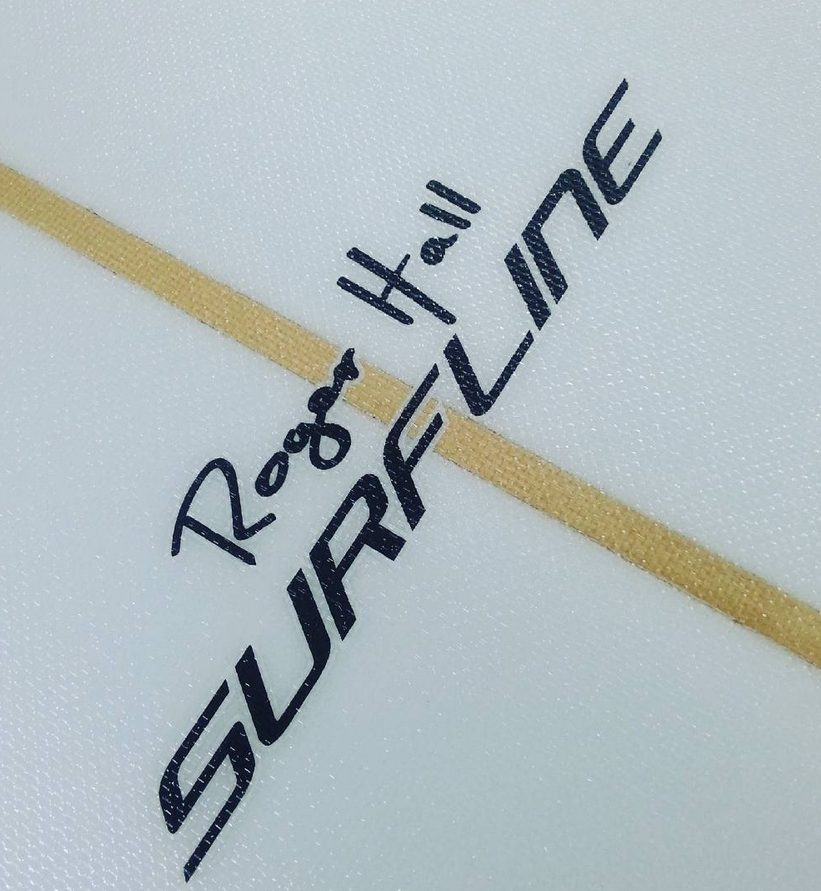
"During the ordering process, Mark was sending me written accounts of Bob Simmons design theories as well as photos and dimensions of the boards Mark typically rides.
All Marks examples are very Simmons inspired and I got that he was walking the path less travelled. Something I can well relate to; as I guess it would be safe to say there’s not a lot of foot prints along the trail of my Hot Curl journey.
I spent most of the weekend shaping Mark’s board which bear in mind was already machine shaped. All the same I sunk a surprising amount of Roger hours into this board.
As I was nearing the finish line it occurred to me that all I had really done was shape a Bob Simmons, if you take a Bob Simmons and really exaggerate the bottom contours, really push them out there, then cut in the recess to separate the tails, leave off the twin fins then you will most likely end up with this shape! Well I did!
With this fresh revelation smacking me firmly between the eyes I stood in my dusty room with just one question: Would BOB approve? . . ."
Roger, I am sure he would. You and Bob are one of a kind.


Happy Birthday to the Mini Simmons

This great little design reaches 10 years years old today. I have shaped many and they have provided a fun ride for lots of mates.
The Byron Bay Surf Festival is back on for 2017
Byron Bay Surf Festival is BACK
24 - 26 FEBRUARY 2017
"Surf Culture Now"
Wax-up your favourite boards, pack your car, grab your friends and head to Byron Bay this summer! The celebrated and award-winning Byron Bay Surf Festival…is back!!!
The BBSF crew took a slightly cheeky but strategic step and moved the annual Festival event from October to February, and for two very important reasons…to align the festival with surf season, and to celebrate the last days of summer with a bang!
24 - 26 FEBRUARY 2017
"Surf Culture Now"
Wax-up your favourite boards, pack your car, grab your friends and head to Byron Bay this summer! The celebrated and award-winning Byron Bay Surf Festival…is back!!!
The BBSF crew took a slightly cheeky but strategic step and moved the annual Festival event from October to February, and for two very important reasons…to align the festival with surf season, and to celebrate the last days of summer with a bang!
Founded in 2011, the annual Byron Bay Surf Festival is a non-competitive event focusing on surf culture; highlighting creativity, innovation, environment and sustainability.
ABOUT
The 3-day event is a fusion of ‘Surf Culture Now’, featuring over 25 different free and ticketed events, including: surfing, surfboards, design, art, music, film, yoga, markets, fashion, presentations, education, demo’s, literature, history, food, health. Culminating on the final day, Sunday, with the highly popular freestyle&stoke surf sessions event, incorporating the hunters&collectors surfboard swap sell & demo, along the pristine shores of Wategos beach. Boasting a large international attendance it comes in a colour and diversity reflective of Byron Bay’s creative and unique community.
The 3-day event is a fusion of ‘Surf Culture Now’, featuring over 25 different free and ticketed events, including: surfing, surfboards, design, art, music, film, yoga, markets, fashion, presentations, education, demo’s, literature, history, food, health. Culminating on the final day, Sunday, with the highly popular freestyle&stoke surf sessions event, incorporating the hunters&collectors surfboard swap sell & demo, along the pristine shores of Wategos beach. Boasting a large international attendance it comes in a colour and diversity reflective of Byron Bay’s creative and unique community.

After winning the Surf Culture Award at the 2015 Australian Surfing Awards, for best contribution to surf culture, the Byron Bay Surf Festival increased it’s reputation as the best surf culture event in Australia and one not to be missed by any surfer, culture vulture, beach-goer, ocean enthusiast, art lover and any local or international visitor. The festivals mission statement reads, ‘present and maintain the culture of surfing, as an expression, art and lifestyle. Ensure that the festival reflects the values and creative culture of the Byron region and community.’ As world renowned film maker Jack McCoy quoted one year:
“This was an amazing festival spoken from the heart to the community. There was so much Aloha, you guys really did the community a service which was felt all around town.”
Seems the mission of the festival continues being accomplished!
“This was an amazing festival spoken from the heart to the community. There was so much Aloha, you guys really did the community a service which was felt all around town.”
Seems the mission of the festival continues being accomplished!
SCHEDULE
Friday
Starting on the Friday afternoon with the Internationally curated artshow at the Lone Goat Gallery, the festival then moves up the road and on to Byron’s main beach foreshore for the sunset cinema which begins with a traditional welcome to country blessing from the local Arakwal and Bundjalung tribes, then on to the feature film, also including a short film, and then rounding off the first evening with live music and cold bevy’s at Byron famous ‘Beachy’ hotel.
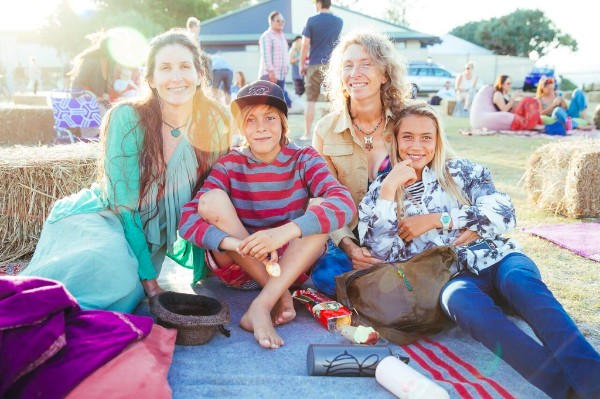
Saturday
The Saturday of the festival on Byron’s main beach foreshore is huge! Lined with the sprawling Surf Art Market and tipi pop-up zone this curation of all things culturally yummy tends to lure the curiosity of surfers, non surfers, the young & old, visitors, families and all sorts of ocean lovers and explorers alike, with people from many nations joining in each year. Starting with 7am yoga on the beach this indulgent day includes artshows, films, presentations, demonstrations, workshops, and an entire surf literature lounge schedule of book talks, signings and readings.
An international line-up of both established and eclectic surfboard shapers usually haunt the tipi zone exhibiting their new creations and talking with curious customers, onlookers and design junkies. All these happenings are bedded in amongst a gourmet of local and mostly organic foods, beautiful and innovative surfcrafts, delectable and cool fashion, and all this groovin’ along to the sound of live music acts from Byron Shire and many other parts of Australia.
An international line-up of both established and eclectic surfboard shapers usually haunt the tipi zone exhibiting their new creations and talking with curious customers, onlookers and design junkies. All these happenings are bedded in amongst a gourmet of local and mostly organic foods, beautiful and innovative surfcrafts, delectable and cool fashion, and all this groovin’ along to the sound of live music acts from Byron Shire and many other parts of Australia.

All events throughout the 3-day festival are free entry, aside from the community centre events, the Sunday evening wrap-up party and the greatly anticipated and high profile ticketed event on the Saturday evening. This sunset event, presented in an amazing natural environment with an intimate stage tucked in the trees along the coast, will include acoustic music, the very popular short film comp finals, an exciting surprise event and 2 amazing final live music acts.
TICKETS for this event will be very limited and will go on Sale with first locals release November 1st (stay tuned!!)
TICKETS for this event will be very limited and will go on Sale with first locals release November 1st (stay tuned!!)
Sunday
The Sunday is beach day!! Rise and shine early at Wategos beach with the freestyle&stoke surf sessions including the hunters&collectors show, sell and demo of collectable, unique, and modern surfboards which litter the grass and foreshore in a spectacular display of handmade, art-driven and sustainably produced surfcraft. Right at the tip of Australia’s most easterly point BBSF will be hosting a handful of unique surf sessions. Most interesting could be the finless and tandem demonstrations or the newly introduced surfer/shaper session, along with the regular sessions including logs, mermaids, legends and fish categories and the very popular Party Wave Invitational cash dash which lands one very lucky surfer $1000 cash!! Brainchild of event organisers the freestyle&stoke surf sessions do not focus on traditional competitive surfing but rather it’s about the fun and pure stoke of freestyling your own creative way across a wave on the surfcraft of your choice with a peer-voted surfer in each category taking honours.
Wrapping up this amazing weekend it’s only good manners that we throw a little party on Sunday eve! This event will include live music, food and after a hot summer’s day, probably plenty of bevy’s. Again, tickets will be very limited for this event and will go on sale with second release December 1st.
Wrapping up this amazing weekend it’s only good manners that we throw a little party on Sunday eve! This event will include live music, food and after a hot summer’s day, probably plenty of bevy’s. Again, tickets will be very limited for this event and will go on sale with second release December 1st.

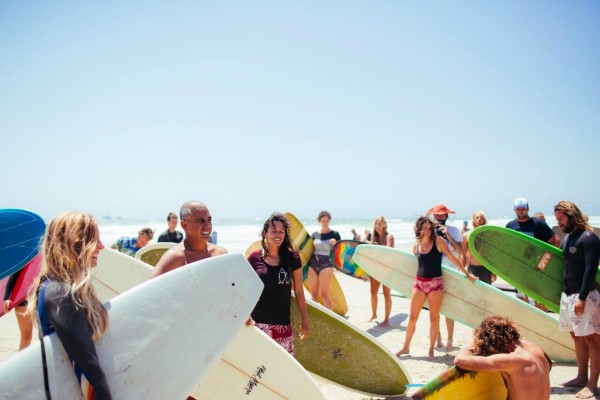
This is such a great event and it is so good that it is back on. Check their website for updates
www.byronbaysurffestival.com.au
HIGHLIGHTS REEL FROM OUR LAST FESTIVAL!!!!! from Byron Bay Surf Festival on Vimeo.
Wooden Board Day 2016 - Sunday 7th August

This years Wooden Board Day will be Sunday 7th of August and we will have an open forum discussion with guest speakers Tom Wegener and Stuart Bywater at around 11am. We can find out what Tom has been up to, what projects he has been working on and what is in the pipeline for him. Stuart is a fine furniture designer and maker as well as a great teacher in the art of building wooden surfboards through his classes he conducts throughout the year. I am sure he has also learnt much from all the questions that arise in teaching board building. It will be interesting to hear Stuart's stories.
A great time to share your projects, learn from others and ask all those questions from others who have learnt the hard way before you need to go there. Bring your boards, go for a surf, brake out the picnic lunch with the family in the park and soak up the day.
A great time to share your projects, learn from others and ask all those questions from others who have learnt the hard way before you need to go there. Bring your boards, go for a surf, brake out the picnic lunch with the family in the park and soak up the day.
The day is a non competitive gathering of like minded people who enjoy building and riding wooden surfboards.
We are different... " We are a splinter Group"
Any questions flip me an email : grantnewby@bigpond.com
Any questions flip me an email : grantnewby@bigpond.com
Subscribe to:
Posts (Atom)

 Posts
Posts